
Top Offshore Online Casinos for High Rollers in 2025: Play Without Limits
Offshore online casinos are internet-based gambling platforms that operate from a jurisdiction outside the player’s home country, functioning entirely through a web browser or dedicated app. By processing deposits, wagers, and withdrawals digitally, these casinos offer players direct access to a vast library of slots, table games, and live dealer options without any physical location requirements. Their primary value lies in providing unrestricted, round-the-clock gameplay to users who seek a convenient alternative to land-based venues, with the core benefit being seamless play from any connected device in a matter of minutes.

What Exactly Are Offshore Online Casinos and How Do They Work?
Offshore online casinos are simply gambling platforms that house their servers and legal operations in a country different from where you, the player, live. When you log in, your money and gameplay data travel across borders to that jurisdiction, which is why your local banking rules often don’t apply. The core mechanism works through a remote server: every spin, card dealt, or dice roll is processed there, then streamed back to your screen in real time. You deposit funds via crypto or e-wallets, and the casino holds your balance in its offshore accounts, not yours. The practical result is that you bypass local payment blocks and often access higher betting limits. However, this distance cuts both ways—if a dispute arises, you’re chasing a company under foreign laws, not your own. Your identity is verified only through the casino’s own KYC, which can be lighter than at home. Yet, the true feel of these platforms is that you’re renting a risk from somewhere far away, with trust as your only bridge.
The Basic Mechanics of Playing at a Foreign-Based Gambling Site
Jumping into a foreign-based gambling site starts with a simple account creation, but the real mechanics kick in when you fund it. You’ll typically convert your cash into a cryptocurrency like Bitcoin or a digital wallet transfer, bypassing traditional banking delays. Once loaded, you select a game—slots, blackjack, or live dealer—and the interface mirrors what you know, but with a lag-free, server-side shuffle. Bets are placed in real time, with your balance updating instantly as wins or losses hit. Withdrawals follow the same reverse path, often processed within hours. The core loop is straightforward: deposit, play, and cash out—all without ever leaving your couch, relying on the site’s own settlement speed and your chosen payment route.
- Deposit via crypto or e-wallet to instantly activate your balance
- Place bets directly on the live interface, with results resolved in real time
- Request payouts through the same method, pending only the site’s internal verification
- Track your playable cash flow in the dashboard, which updates with every spin or hand

Software Platforms and Game Providers Behind the Scenes
Behind every offshore online casino, software platforms and game providers dictate the entire gaming experience, from load speeds to payout logic. These platforms—such as Playtech, Microgaming, or NetEnt—supply the random number generators that determine fair outcomes, while white-label solutions let operators launch instantly without building their own tech. Game providers also control the return-to-player percentages, so a slot’s volatility and hit frequency vary by studio, not by the casino itself. For players, this means a game’s behavior stays consistent across different offshore sites using the same provider, but bonuses or wagering requirements are set independently by each platform’s backend.
- Third-party providers certify RNG fairness, not the casino’s own staff.
- Supervising platforms manage player accounts, deposits, and game integration in one dashboard.
- Live dealer games rely on dedicated studios and streaming infrastructure from specific providers.
- Game availability on mobile depends entirely on the provider’s HTML5 or native app compatibility.
How Deposits and Withdrawals Function Across Borders
Cross-border transactions at offshore casinos rely on currency conversion and payment networks that ignore national banking limits. You fund accounts via e-wallets, prepaid cards, or crypto, which bypass local bank restrictions and settle in the casino’s base currency. Withdrawals follow a reverse flow: winnings leave the operator’s account, convert into your local tender, and land in your chosen wallet or card. International withdrawal processing timelines hinge on payment provider verification, not casino speed. A clear sequence emerges: choose a crypto or e-wallet route, confirm your withdrawal amount and currency, pass identity checks, then await settlement in hours (crypto) or days (bank transfer). Always check if your bank accepts gambling-related credits, as some flag them for review, delaying arrival.

What Practical Advantages Do You Get from Playing at a Non-Local Casino?
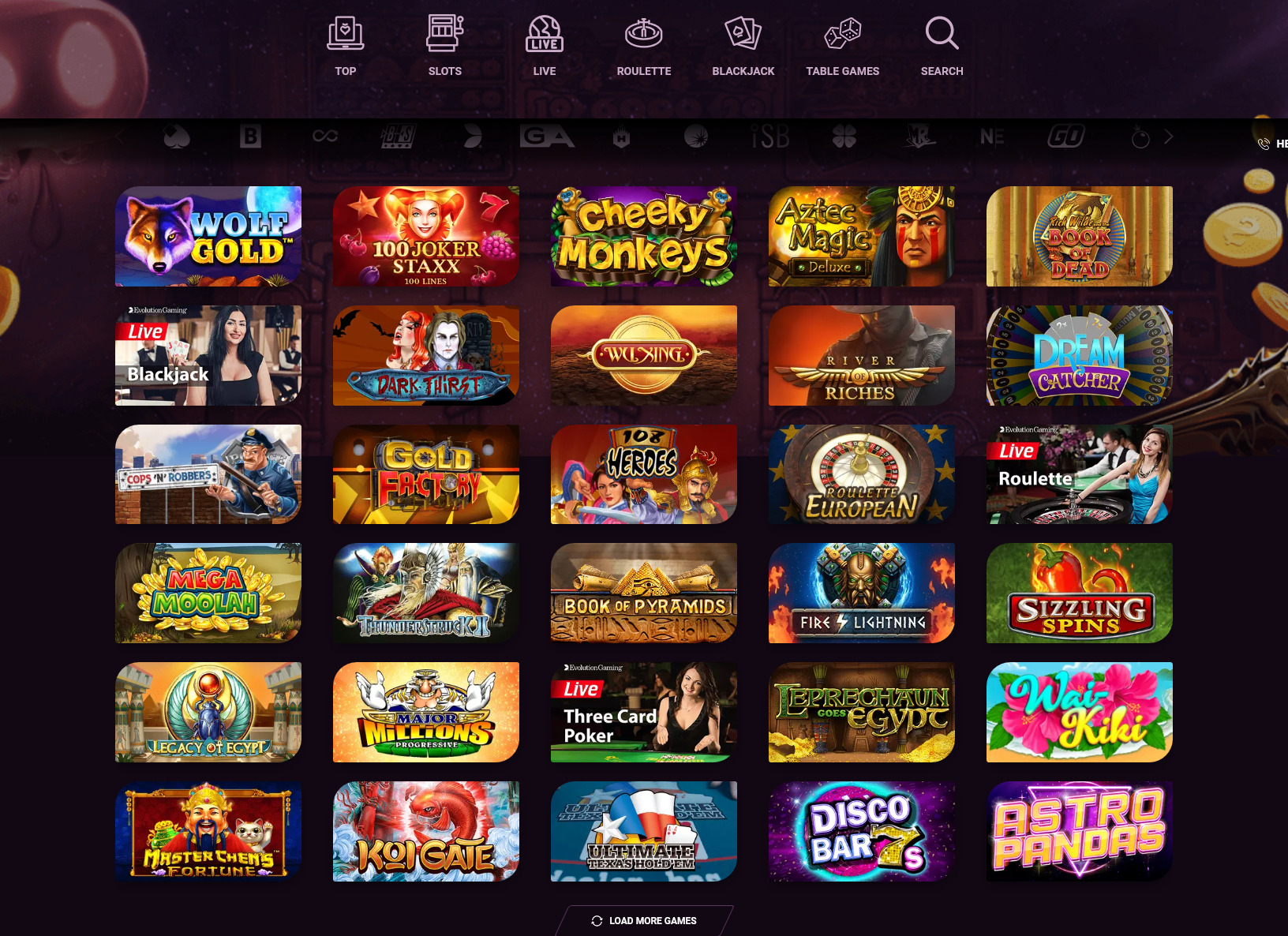
When you step into an offshore online casino, the first practical advantage is the sheer breadth of payment freedom—you’re not chained to your local bank’s restrictions, so crypto and e-wallets slide through without friction. For a player like me, that means a deposit lands in minutes, not days, and withdrawals skip the “pending review” theater that local sites love. Another real perk is uncapped bonus hunting: non-local platforms rarely tie your promotions to regional spending habits, so the wagering requirements feel more generous, and the cashback cycles match your pace, not a local holiday calendar. Most importantly, you gain round-the-clock access without timezone locks—your account stays live while your hometown casino is asleep, and support answers in under two minutes at 3 AM. That’s the quiet win: convenience that adapts to your schedule, not the other way around.
Higher Payout Percentages and More Generous Bonus Structures
Offshore operators frequently offer higher payout percentages and more generous bonus structures because they face less pressure to subsidize expensive land-based infrastructure or local advertising taxes. Practically, this means your bankroll stretches further: you might see return-to-player rates two to five percent above domestic rivals, directly translating into more frequent mid-session wins. Bonus structures also skew aggressive—think 200% match offers with 20x wagering instead of the usual 35x—letting you extract real value before you even place a spin. However, these perks often come with stricter withdrawal caps, so you must compare the net cashable amount, not just the headline percentage.
- Lower house edges on slots and table games boost long-term expected returns.
- Reload bonuses and cashback offers recur weekly, not just on first deposit.
- High-roller packages include no-wager free spins and profit-boosting multipliers.
Broader Game Libraries with Unique Titles You Can’t Find Locally
When you play at an offshore casino, the broader game libraries with unique titles you can’t find locally become your biggest playground. Local operators often stick to the same licensed slots and table games, but offshore platforms partner with smaller, international studios that push creative boundaries—think anime-themed megaways, live game shows with quirky rules, or progressive jackpots exclusive to their network. You’re not stuck with a repeat of what’s on every corner; instead, you get fresh mechanics, higher RTP variants, and niche genres like crash games or regional dice games that never hit local floors. It’s a simple swap: same device, but a catalog that feels infinitely wider and more adventurous.
**Q: Why do offshore casinos have games I can’t find in my local casino?**
A: They license from global developers who distribute to fewer markets, so you get exclusive, experimental titles that local regulators or operators simply don’t bother to carry.
Flexible Betting Limits That Suit Both Low Rollers and High Rollers
Offshore platforms excel at flexible betting limits that suit both low rollers and high rollers, removing the restrictive minimums often found in land-based venues. A low roller can wager as little as $0.10 on slots or $1 on table games, while high rollers gain access to private tables with caps reaching $100,000 or more per spin. This range allows you to test strategies without financial strain, then scale stakes as confidence grows. The practical sequence involves adjusting your bet size based on bankroll, using deposit limits to cap exposure, and switching between low-stakes and VIP tables without approval delays. Unlike local casinos that tier players by history, offshore sites let you shift limits instantly, ensuring your stake always matches your current comfort level.
How to Pick a Reliable Foreign Gaming Site That Won’t Let You Down
To avoid a flop, vet offshore casinos by testing their cashier before depositing—call support and ask for a withdrawal method that’s not listed; a reliable site will offer a direct wire or crypto route without third-party delays. Check game load speed from your region; laggy lobbies often signal weak server infrastructure that fails during payouts. Read the bonus terms for hidden wager caps on foreign currencies—if the rollover exceeds 40x on slots-only, walk away. Ask yourself: “If my account gets frozen, can I reach a live human in under 5 minutes?” If the live chat is AI-only or the FAQ dodges withdrawal timeframes, that’s your red flag. Finally, make a tiny deposit, play one session, then withdraw immediately—a reliable offshore site processes that test payout within 72 hours.
Key Payment Methods to Look For and How to Verify They’re Safe
Prioritize payment methods offering buyer protection, such as major credit cards, PayPal, or trusted e-wallets like Skrill and Neteller. Before depositing, verify the casino’s URL begins with “https://” and shows a padlock icon, confirming SSL encryption for your financial data. Cross-check the cashier page for recognized providers (Visa, Mastercard, or crypto like Bitcoin) and avoid methods demanding direct bank transfers or prepaid cards with no recourse. Read the withdrawal policy—safe sites display clear processing times and fee structures without hidden clauses. Verify payment safety by testing a small deposit and confirming the transaction appears with a clear merchant descriptor, not a vague third-party name. Finally, search the method’s name alongside the casino for user reports of delayed payouts or chargeback refusals.
- Use reversible payment tools (credit cards/e-wallets) that allow disputes.
- Look for encryption (https) and known processors on the cashier page.
- Always read terms for withdrawal limits and fees before funding.
- Test with a minimal amount to confirm provider legitimacy.
Reading the Fine Print on Wagering Requirements and Cashout Rules
Before committing to an offshore casino, scrutinize the wagering requirements’ true cost—a 35x playthrough on deposits *and* bonus is far steeper than one on the bonus alone. Calculate whether your typical bet size can realistically clear it within the time cap, often 7–14 days. Then, hunt for cashout limits buried in terms: a $10,000 weekly withdrawal cap might trap a big win for months. Watch for game-weighting exclusions and maximum bet rules during play, which can void winnings instantly. Finally, confirm whether winnings from free spins convert to cash or remain bonus-locked. A quick audit of these clauses separates a smooth payout from a silent confiscation.
Checking Real Player Feedback and User Experience on the Platform Itself
To verify an offshore casino’s reliability, bypass promotional banners and dig into **real player feedback on the platform itself**—meaning the live chat, support response speed, and withdrawal complaint threads visible in its own forum or social comments. Test the cashier’s friction by reading recent payout requests from verified users, not just star ratings. A trustworthy site will show unresolved issues being actively addressed by staff. If negative experiences are deleted or unanswered, treat that as a red flag. Also, play a few free rounds to feel the interface latency and fairness of game outcomes firsthand.
- Check support reply times using the site’s live chat with a specific payout question.
- Scan the platform’s own review section for repeated payment delay patterns.
- Compare your gameplay experience (loading speed, bug frequency) against user-reported issues.
What Should You Know Before Signing Up and Playing for Real Money?
Before committing to an offshore online casino for real money, verify payout reliability through independent withdrawal reviews—especially for large sums, where delays are common. Check the currency conversion fees, as your bank may charge extra for international transactions, eating into winnings. Confirm the casino’s actual game fairness certification, since not all offshore platforms use audited RNGs, and test the support team with a live chat question before depositing. Understand that your local consumer protection won’t assist if disputes arise, so set strict deposit limits and withdraw profits regularly. Lastly, read the bonus terms twice—offshore rollover requirements often exceed 40x and can trap your funds. Only gamble best online casinos what you can afford to lose entirely.
Setting Up an Account and Verifying Your Identity Smoothly

When you’re ready to play, fast identity verification at offshore casinos hinges on submitting spotless, high-resolution scans of your passport or driver’s license, plus a recent utility bill. Upload all documents in one go—front, back, and selfie—to avoid repeated back-and-forth emails. Match your account name exactly to your banking details before you hit “submit,” because mismatches trigger re-verification delays. Use a stable Wi-Fi connection and JPEG under 5MB for instant upload success. Some offshore sites allow crypto-only accounts, which skip ID checks entirely—but if you choose fiat, expect 24–48 hour processing. Keep screenshots of your submission confirmation for tracking.
Using Cryptocurrency for Privacy and Faster Transactions
When playing at offshore casinos, using cryptocurrency directly addresses two practical concerns: privacy and speed. Unlike card or bank transfers, a crypto deposit is broadcast on a public ledger, but the transaction is not tied to your personal banking identity, reducing the amount of sensitive data the casino holds. For faster transactions, blockchain settlements typically confirm within minutes, bypassing the multi-day waiting periods of traditional withdrawals. To use this effectively, follow a clear sequence:
- Fund a non-custodial wallet (e.g., MetaMask or a hardware wallet) with the casino’s accepted coin.
- Send only the exact deposit amount to the casino’s address, copying the address directly from their cashier page to avoid clipboard malware.
- Initiate a withdrawal, noting that the casino’s network fee is deducted from your payout, so choose a low-fee coin like Litecoin or TRON for smaller sums.
Never reuse a casino deposit address across multiple sessions, as this links your blockchain activity to one on-site profile. Cryptocurrency for privacy and faster transactions works only if you verify the casino supports instant confirmations—some still require six or more blocks, negating the speed advantage.
Avoiding Common Pitfalls with Time Zones, Customer Support Hours, and Language Barriers
Before committing to an offshore casino, verify that its **customer support hours align with your time zone**, not the casino’s home region. A 24/7 chat may still have delayed email responses during your peak playing hours, so test response times at your typical login time. Language barriers often hide critical terms—request bonus rules and withdrawal policies in your native tongue, and use translation tools only for casual queries, never for legal clauses. If support staff reply in broken English, clarify payment deadlines and wagering requirements via a second channel (e.g., live chat after email). Always confirm whether “business days” for payouts account for your local holidays.
Q: How do I avoid time-zone missteps when withdrawing?
A: Ask support directly for their payout processing cutoff in your time zone (e.g., “Do you process UTC+2 morning requests same-day?”) and save that reply as proof.
Frequently Asked Questions About Playing at Casinos Based Abroad
When players ask about offshore online casinos, the most common questions center on deposits, withdrawals, and account verification. You’ll often wonder if your usual credit card works—many offshore platforms accept e-wallets and crypto more reliably than bank transfers, so check the cashier before registering. Another frequent query is about payout speed; withdrawal times vary widely, but e-wallet requests typically clear within 24–48 hours, while bank wires can take up to a week. Players also ask whether they can set betting limits or self-exclude remotely—most licensed offshore sites do offer these tools, but you must activate them through your account settings, not live chat. Finally, always ask about currency conversion fees upfront, since playing in a foreign denomination adds hidden costs to every transaction. For any Frequently Asked Questions About Playing at Casinos Based Abroad, confirm the site’s specific rules on bonus wagering and ID checks before you deposit, as these are the top sources of confusion.
Are Winnings from Foreign Sites Actually Paid Out on Time?
Payout timing from offshore casinos depends less on the site’s physical location and more on its verified payment history and your chosen withdrawal method. On-time foreign casino payouts are common with e-wallets, often crediting within 24 hours, while bank transfers or card withdrawals may take three to seven business days. Reputable operators process requests immediately after KYC verification, but delays occur if you submit incomplete documents or play through a bonus without meeting wagering requirements. Check independent player forums for recent cashout complaints before depositing—a pattern of “pending” status past 10 business days is a red flag. Always screenshot your withdrawal confirmation and set a calendar reminder to follow up on day five if no update appears.
- Verify the casino’s average payout time for your specific withdrawal method before registering.
- Keep scanned ID and proof of address ready to avoid KYC-related hold-ups.
- Test with a small withdrawal first to gauge the actual processing speed before requesting larger sums.
What Happens If You Hit a Jackpot or Win a Progressive while Playing Remotely?
When you hit a jackpot or win a progressive while playing remotely at an offshore casino, the process is usually automated—the winning amount appears in your account balance immediately, and you’ll get an on-screen or email confirmation. For smaller progressives, you can withdraw right away using your chosen method, but for **six-figure or larger jackpot wins**, the casino may manually verify your gameplay and request identity documents before releasing the funds, which can take a few days to a few weeks. Always screenshot the winning screen and note the timestamp, just in case there’s a dispute about the payout terms. Some offshore sites cap progressive payouts in monthly installments, so read the jackpot’s terms in your account before celebrating.
Winning remotely means the money hits your balance instantly, but larger jackpots may trigger manual verification and staggered payouts, so keep proof and check the game’s terms for caps.
Can You Play Live Dealer Games and Tournaments on These Platforms Just Like at Home?
Yes, you can play live dealer games and tournaments on offshore platforms with near-identical functionality to a home-based casino site. The core experience—real-time streaming, interactive chat with dealers, and placing bets via a graphical interface—is fully replicated. However, latency and payment processing can differ depending on your physical distance from the offshore server hub. Tournament lobbies also operate globally, but entry fees are often settled in crypto due to cross-border banking limits. Game availability may be slightly reduced if your jurisdiction is geo-blocked, though a reliable VPN typically restores access.
- Check if the platform offers dedicated tournament schedules in your time zone, as offshore operators often run events at odd hours.
- Verify that your internet speed meets the minimum 10 Mbps requirement for smooth 4K dealer streams.
- Ensure your chosen offshore site supports your preferred payment method for tournament buy-ins, as some exclude e-wallets.
- Expect identical rule sets and bet limits, but confirm the dealer language—many offshore studios use English or regional dialects.
